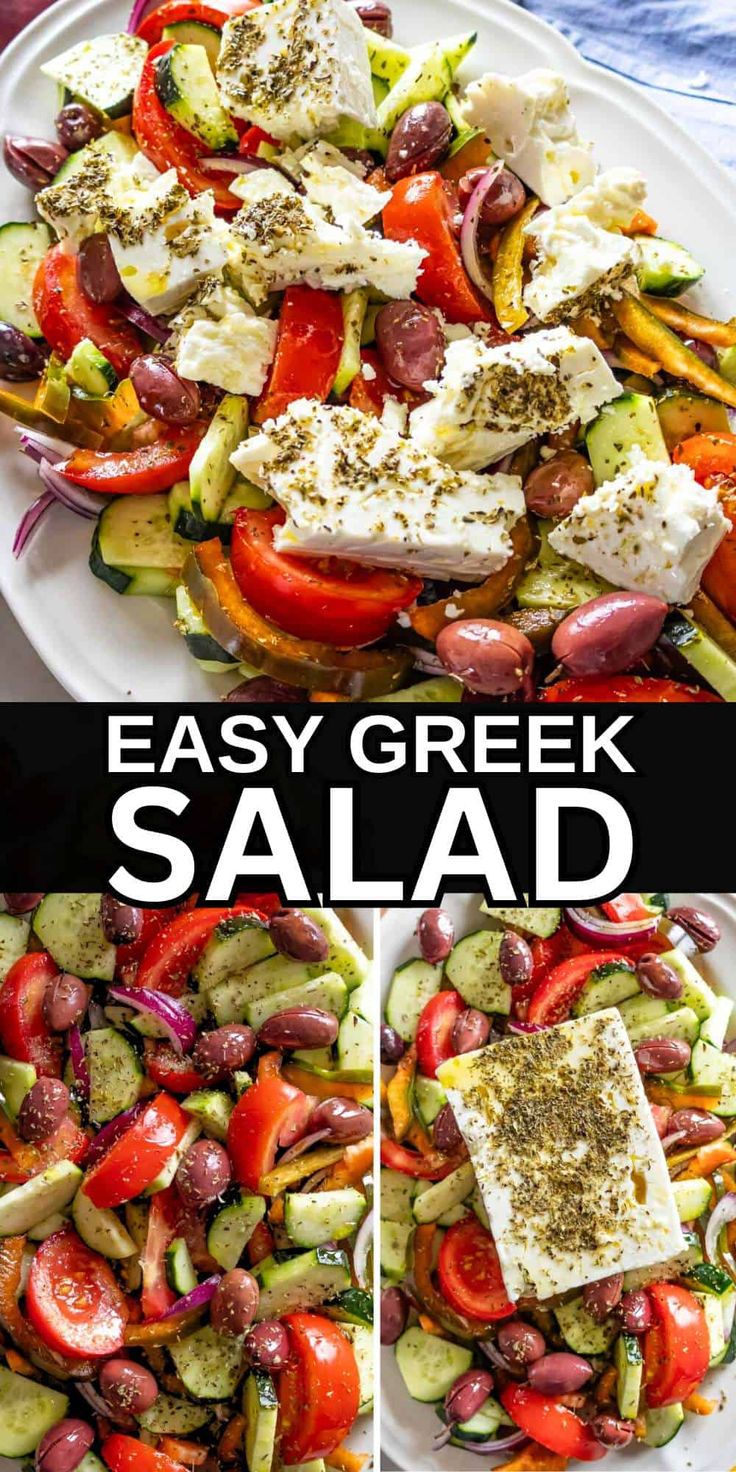
Refreshingly Simple: Your Guide to the Perfect Summer Greek Salad
As the days grow longer and the sun shines brighter, our palates instinctively crave dishes that are as light and vibrant as the season itself. Few culinary creations capture this spirit quite like the classic Greek Salad, known in its homeland as Horiatiki (χωριάτικη). Meaning "village salad" or "peasant salad," this rustic masterpiece is a testament to the power of simplicity, transforming humble ingredients into a symphony of Mediterranean flavors. If you're searching for a Minute Classic Greek Salad: The Best Horiatiki Recipe that is both refreshing and reliably delicious, your quest ends here. In just about 15 minutes, you can conjure a dish that celebrates summer produce, making it the perfect last-minute addition to any meal or a delightful main course on its own.
Far from an exaggeration, the reputation of a truly great Greek salad precedes it. It's a dish I've refined over the years, always returning to a version that honors tradition while maximizing taste. The beauty lies in its unpretentious nature and the emphasis on fresh, high-quality components. It’s not just a salad; it's an experience that transports you straight to the sun-drenched tavernas of Greece with every chunky, flavorful bite. Let's dive into the essential elements that make this greek salad recipe an enduring favorite.
The Anatomy of Authenticity: Deconstructing the Perfect Greek Salad Ingredients
The secret to an unforgettable Horiatiki isn't found in complex techniques, but in the deliberate selection and preparation of its core ingredients. Each component plays a vital role, contributing to a harmonious blend of textures and tastes.
- Tomatoes: The Sweet Heart
The foundation of any great Greek salad begins with ripe, juicy tomatoes. While any garden-fresh tomato will do, I often gravitate towards grape or cherry tomatoes. Their consistent sweetness and firm texture mean they are seldom mealy, providing a burst of concentrated flavor in every bite. Halve them to maintain their chunky appeal. Remember, a salad this simple truly rises and falls on the quality of its ingredients, so choose tomatoes that look and smell their absolute best at your local market. Pro tip: Avoid refrigerating fresh tomatoes, as it diminishes their flavor and texture. - Cucumbers: The Crisp Refreshment
For an ideal crunch and mild counterpoint, Persian cucumbers are my go-to. Their thin skins mean no peeling is necessary, and their minimal seeds eliminate the need for laborious deseeding. Their subtle flavor ensures they remain a supporting character, allowing the more assertive ingredients to shine without being overshadowed. Slice them into generous, rustic chunks. - Red Onion: The Pungent Punch (Tamed)
Red onion adds a crucial sharpness and vibrant color. However, its intensity can sometimes overwhelm. The key is to slice it very thinly, ensuring it complements rather than dominates. If you find raw red onion too strong, a simple trick can mellow its bite: soak the thinly sliced rings in hot water for 10-15 minutes. Afterward, rinse them under cold water and pat dry before adding to the salad. This simple step significantly reduces their pungency, creating a more balanced flavor profile. - Olives: The Briny Gem
When it comes to olives, there's truly no substitute for briny, savory, and slightly fruity Kalamatas. These dark, almond-shaped olives, hailing from Kalamata in the Peloponnese, offer an unparalleled depth of flavor that is essential to an authentic Greek salad. Seek them out whole, packed in brine, and be sure to remove the pits if they aren't already pitted. If Kalamatas are absolutely unavailable, any good quality black olive will work, but the distinctive character of Kalamatas is worth the search. - Feta: The Tangy Centerpiece
A Greek salad without a substantial amount of feta is simply incomplete. This tangy, salty sheep's or goat's milk cheese is truly the centerpiece, bringing a creamy, crumbly texture and a powerful flavor punch. For the best quality and authentic experience, always look for feta sold in block form, packed in brine. Avoid pre-crumbled varieties, as they often lack the creamy texture and rich flavor of genuine feta. Traditional recipes often feature thick, generous slabs of feta crowning the salad, not mere sprinkles. For more insights on this star ingredient, explore The Secret to an Authentic Greek Salad: Feta, Tomatoes & Dressing Tips. - Extra-Virgin Olive Oil: The Golden Elixir
This isn't just a dressing ingredient; it's a foundational flavor. The salad will taste of olive oil, so it is imperative to use an extra-virgin olive oil that you genuinely love. A good quality, fruity, peppery EVOO will elevate the entire dish, weaving all the distinct flavors together.
Crafting the Iconic Greek Salad Dressing
The dressing for a classic Horiatiki is refreshingly simple, yet profoundly impactful. It's designed to enhance, not overpower, the fresh ingredients. Its composition relies on minimal ingredients: lemon juice, red wine vinegar (optional, but recommended for depth), dried oregano, and, of course, a generous pour of high-quality extra-virgin olive oil.
To achieve a beautifully emulsified dressing that clings lovingly to every component of your salad, rather than simply running off, follow this technique: start by combining the water-based ingredients – lemon juice and red wine vinegar – in a small bowl. Gradually begin to whisk in the extra-virgin olive oil. Continue whisking steadily until the dressing slightly thickens and achieves a homogenous consistency. An emulsified dressing won't separate easily and ensures every bite is coated in vibrant flavor.
When it comes to seasoning, remember that the feta cheese itself is quite salty. Therefore, approach additional salt with caution. Taste as you go, and adjust only if necessary. A generous sprinkle of dried oregano, preferably Greek oregano for its robust flavor, is non-negotiable and provides that quintessential Mediterranean aroma.
Assembly & Expert Tips for a Flawless Finish
With your ingredients prepped and your dressing ready, the final steps to creating your perfect greek salad recipe are quick and satisfying.
- Chunky Cuts are Key: Authenticity dictates rustic, substantial pieces. Sharpen your chef's knife and cut your cucumbers and tomatoes into generous, chunky segments. Halve your olives. The feta, crucially, should be cut into large cubes or left as thick slabs – avoid small crumbles that might disappear in the salad.
- Onion Prep: If you're mellowing your red onion, ensure it's done and thoroughly patted dry before combining with other ingredients.
- Gentle Combination: In a large bowl, combine your prepped tomatoes, cucumbers, red onion, and Kalamata olives. Pour the emulsified dressing over the vegetables.
- The Feta Finale: Gently place your large feta cubes or slab on top of the salad. If desired, you can gently toss everything, but be mindful not to break up the feta too much. Some prefer to place the feta on top after tossing to preserve its integrity. A final drizzle of fresh extra-virgin olive oil and a sprinkle of dried oregano can enhance the presentation and flavor.
Can you make Greek salad ahead of time? Absolutely! This is one of the dish's most appealing features. To prep ahead, simply chop all your vegetables (tomatoes, cucumbers, onions, olives) and store them in a separate airtight container in the refrigerator. Prepare the dressing and store it in another sealed container. When you're ready to serve, combine the vegetables, add the feta, pour over the dressing, and toss gently. This ensures the vegetables remain crisp and the dressing doesn't make them soggy, making it an ideal candidate for meal prep or entertaining.
Serve your Horiatiki with crusty bread to sop up the flavorful dressing, alongside grilled chicken, fresh fish, or as part of a larger mezze platter. Its versatility knows no bounds.
Conclusion
The Greek salad, or Horiatiki, is more than just a dish; it's a celebration of simplicity, fresh flavors, and the rich culinary heritage of the Mediterranean. By focusing on high-quality ingredients, understanding the role each plays, and mastering a few simple techniques, you can recreate this iconic, refreshing salad in your own kitchen with ease. This greek salad recipe promises not only a burst of vibrant flavor but also a wonderfully light and satisfying meal that perfectly encapsulates the essence of summer. So, gather your ingredients, sharpen your knife, and prepare to delight your senses with this timeless classic.
