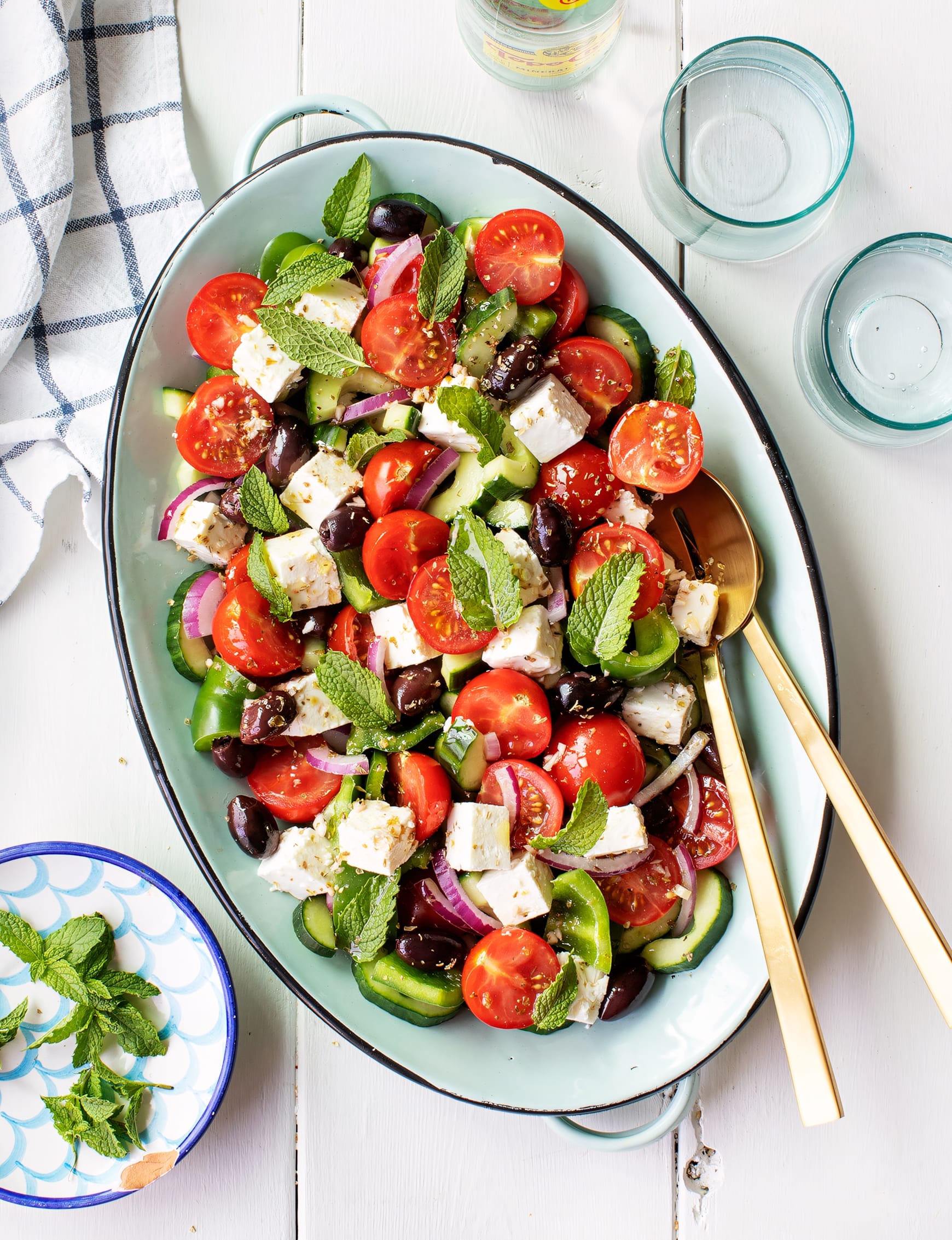
The Secret to an Authentic Greek Salad: Feta, Tomatoes & Dressing Tips
The moment summer produce hits its peak, there’s one dish that consistently graces tables across the Mediterranean and beyond: the classic Greek salad. Known in its homeland as
Horiatiki Salata (meaning "village salad" or "peasant salad"), this isn't just a side dish; it’s a celebration of simple, fresh ingredients culminating in a symphony of flavors and textures. Forget limp lettuce and endless chopping – the true beauty of an authentic
greek salad recipe lies in its rustic charm, hearty chunks, and the unparalleled quality of its core components. If you've been searching for the definitive guide to mastering this iconic dish, you're in the right place. We'll unveil the secrets to selecting the best ingredients, crafting a vibrant dressing, and assembling a salad that transports you straight to the sun-drenched shores of Greece.
The Pillars of Horiatiki: Essential Ingredients Explained
A truly authentic Greek salad thrives on a select few, high-quality ingredients. Each element plays a crucial role, contributing to the dish's distinctive taste and robust texture. Understanding the nuances of each will elevate your homemade Horiatiki from good to unforgettable.
Tomatoes: The Heart of the Salad
The quality of your tomatoes can make or break a Greek salad. We highly recommend seeking out small, sweet varieties like
grape or cherry tomatoes. Their concentrated sweetness and firm texture provide a burst of flavor that large, watery tomatoes often lack. Halve them to release their juices, which will subtly meld into the dressing. If you're lucky enough to find ripe, in-season heirloom tomatoes at your local market, don't hesitate to use them – just ensure they are firm and intensely flavorful. Remember, a simple salad like this truly "rises and falls on the quality of its ingredients."
Cucumbers: Crisp and Refreshing
For the perfect crunch and mild flavor,
Persian cucumbers are your best bet. Their thin skins mean no peeling is necessary, and they're virtually seedless, making prep a breeze. Simply chop them into substantial, chunky pieces. If Persian cucumbers aren't available, English cucumbers are a good alternative, though you might want to scoop out any large seeds. Avoid standard American slicing cucumbers, which can be too watery and bitter.
Red Onion: A Touch of Pungency
Red onion adds a vital sharpness and peppery bite that balances the other sweet and savory elements. The key is to slice it as
thinly as possible. This ensures the onion remains a supporting character rather than overwhelming the palate. If you find raw red onion too strong, a simple trick can mellow its intensity: thinly slice the onion, place it in a bowl, and cover with hot (not boiling) water for 10-15 minutes. Drain, rinse under cold water, and pat dry before adding to the salad. This technique significantly reduces its pungency without sacrificing flavor.
Olives: Briny Perfection
There’s no substitute for
Kalamata olives in an authentic Greek salad. These distinctive, almond-shaped olives from Kalamata, Greece, boast a rich, fruity, and deeply briny flavor that is simply unparalleled. Look for them with pits (removing them yourself ensures maximum flavor and texture retention) or buy good quality pre-pitted ones. Their deep purple hue and savory depth are non-negotiable for the true Horiatiki experience. While other black olives can be used in a pinch, they won't quite capture the same essence.
Feta: The Crown Jewel
As the title suggests, feta is more than just an ingredient; it’s the centerpiece. For an authentic Greek salad, you absolutely must use
block feta, packed in brine. Resist the urge to use pre-crumbled feta, which often lacks the creamy texture, tangy flavor, and rich saltiness of the real deal. Traditional Horiatiki is often "crowned with thick slabs" of feta. When preparing, cut it into substantial cubes or even thick slices, ensuring it holds its form and delivers a satisfying bite with every forkful. Its tangy, salty character harmonizes beautifully with the fresh vegetables and olive oil.
Extra-Virgin Olive Oil: The Unifying Element
Given that this salad will, and should, taste distinctly of olive oil, it’s imperative to use an
extra-virgin olive oil you genuinely love. Choose a high-quality, cold-pressed olive oil with a robust, peppery, or fruity profile. This isn't just a cooking fat; it's a primary flavor component that binds all the ingredients together, adding a luxurious mouthfeel and quintessential Mediterranean essence.
Dried Oregano: The Aromatic Finish
A generous sprinkle of dried oregano, preferably Greek oregano, adds an earthy, aromatic note that is characteristic of the region. It's the final flourish that ties all the flavors together.
Crafting the Perfect Greek Salad Dressing
The dressing for an authentic Greek salad is deceptively simple, yet its execution is key to a harmonious outcome. It’s not about complex ingredients, but rather about the perfect balance and emulsion.
The foundation of our dressing typically involves:
- Fresh lemon juice
- Red wine vinegar (optional, but highly recommended for depth)
- Dried Greek oregano
- High-quality extra-virgin olive oil
- A pinch of salt (remembering the feta is salty!) and freshly ground black pepper
To achieve that coveted, slightly thickened, and homogeneous dressing that "wraps the salad ingredients in a loving embrace," focus on
emulsification. Start by whisking together the water-based ingredients – lemon juice and red wine vinegar. Then, gradually drizzle in the extra-virgin olive oil while continuously whisking vigorously. This slow addition helps the oil and water components come together, preventing separation. A well-emulsified dressing adheres beautifully to the vegetables, ensuring every bite is coated in flavor.
When it comes to seasoning, exercise caution with salt. The feta cheese is inherently salty, so it’s always best to taste the dressing before adding too much. A final touch of freshly ground black pepper will add a subtle warmth. For an extra layer of authentic flavor, some enthusiasts even add a small splash of brine directly from the feta packaging into their dressing!
Assembling Your Masterpiece: Step-by-Step Guide & Pro Tips
With your ingredients prepped and your dressing ready, the final assembly is quick and rewarding. This easy recipe only takes about 15 minutes to prepare, making it a perfect last-minute addition to any meal.
1.
Prep Your Veggies: Start by thinly slicing your red onion. If you plan to mellow its pungency, do so now. Halve your grape or cherry tomatoes and Kalamata olives. Cube your Persian cucumbers into generous chunks.
2.
Chunky Cuts are Key: Remember, the rustic nature of Horiatiki means hearty, substantial pieces. Avoid dicing everything finely. The tomatoes and olives should stay chunky, and the cucumber cubes should be prominent.
3.
Combine Ingredients: In a large mixing bowl, gently combine the prepared tomatoes, cucumbers, red onion, and olives. Admire the vibrant colors!
4.
Add the Feta: Carefully place your large cubes or thick slices of feta on top of the vegetables. The goal is to keep them intact, rather than crumbling them.
5.
Dress and Toss: Pour your beautifully emulsified dressing over the salad. Gently toss the ingredients. The aim is to coat everything without breaking up the precious feta.
6.
Season and Serve: A final sprinkle of dried oregano over the top, and your authentic Greek salad is ready! For even more detailed guidance, consider checking out our
Minute Classic Greek Salad: The Best Horiatiki Recipe.
Beyond the Bowl: Serving Suggestions & Making Ahead
An authentic Greek salad is incredibly versatile. It shines as a refreshing side dish alongside grilled chicken, fish, or lamb. It can also be a light and satisfying meal on its own, perhaps accompanied by some warm pita bread for scooping up the delicious olive oil and feta bits.
One of the great advantages of this dish is its make-ahead potential. You can absolutely prep your Greek salad ahead of time! Simply chop all the vegetables (tomatoes, cucumbers, onions, olives) and store them in separate airtight containers in the refrigerator. Prepare your dressing and store it separately. The feta can also be kept in its brine.
However, for optimal freshness and texture, it’s best to combine the ingredients and dress the salad just before serving. This prevents the vegetables from becoming soggy and ensures the feta remains firm. If you're looking for more ways to incorporate this refreshing dish into your summer meals, our article on
Refreshingly Simple: Your Guide to the Perfect Summer Greek Salad offers additional inspiration.
Conclusion
The secret to an authentic Greek salad isn't complex. It lies in honoring tradition, selecting the highest quality ingredients, and understanding how each component contributes to the overall experience. From the juicy sweetness of ripe tomatoes to the salty tang of block feta, and the aromatic embrace of a perfectly emulsified dressing, every element plays a vital role. By following these tips and embracing the simplicity of Horiatiki, you’ll not only master a timeless
greek salad recipe but also create a dish that embodies the very essence of Mediterranean culinary delight. So sharpen your chef’s knife, gather your fresh produce, and get ready to enjoy a taste of Greece!